


Le Flow Thérapeutique : Rétablissez l'Homéostasie de votre Corps
- Flowy Yoga
- Feb 28, 2024
- 6 min read
What is Flow Therapy and what does it entail?
Flow Therapy is a holistic approach designed to address specific needs of individuals, going beyond regular yoga practices. This innovative method aims to relieve muscle tension, enhance flexibility, promote mental relaxation, and strengthen breathing techniques.
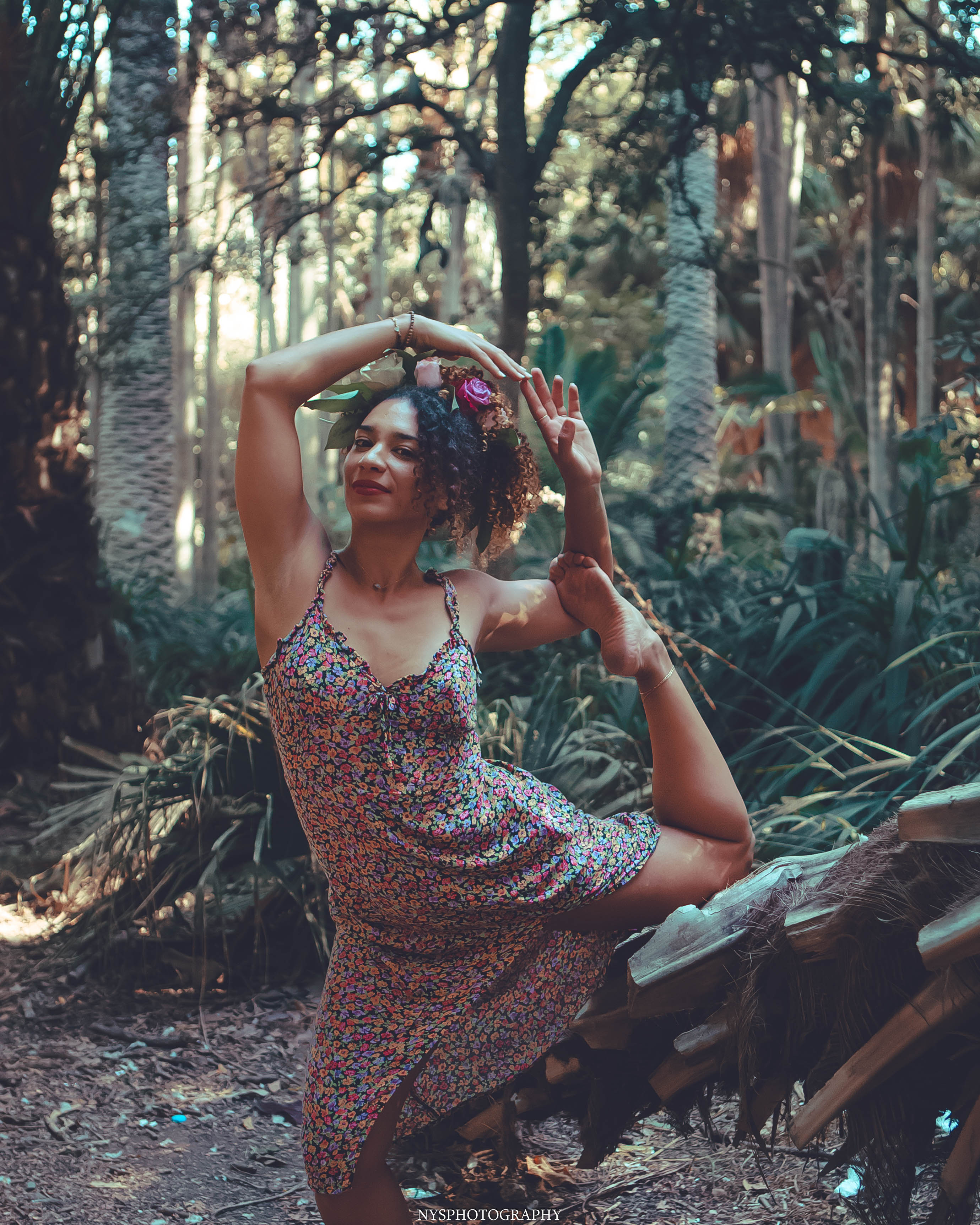
Nesrine Bourouina, the founder of Flow Therapy, is a certified practitioner with over 500 hours of training as an Alliance Certified Yoga Teacher.
My passion for yoga led me to specialize in Pranayama, Breathwork, and therapeutic yoga. Drawing from my experience and extensive training, I developed Flow Therapy as a holistic approach to physical, mental, and emotional well-being. My goal is to provide each practitioner with a personalized experience, aiming to relieve tension, enhance breathing, and promote deep relaxation.
Flow Therapy sessions are conducted privately, offering a personalized space to work deeply with each practitioner. Assisted stretching, postural correction, and stimulation of plantar and facial pressure points are integral elements of this approach, aiming to improve mobility, reduce postural imbalances, and promote deep relaxation.
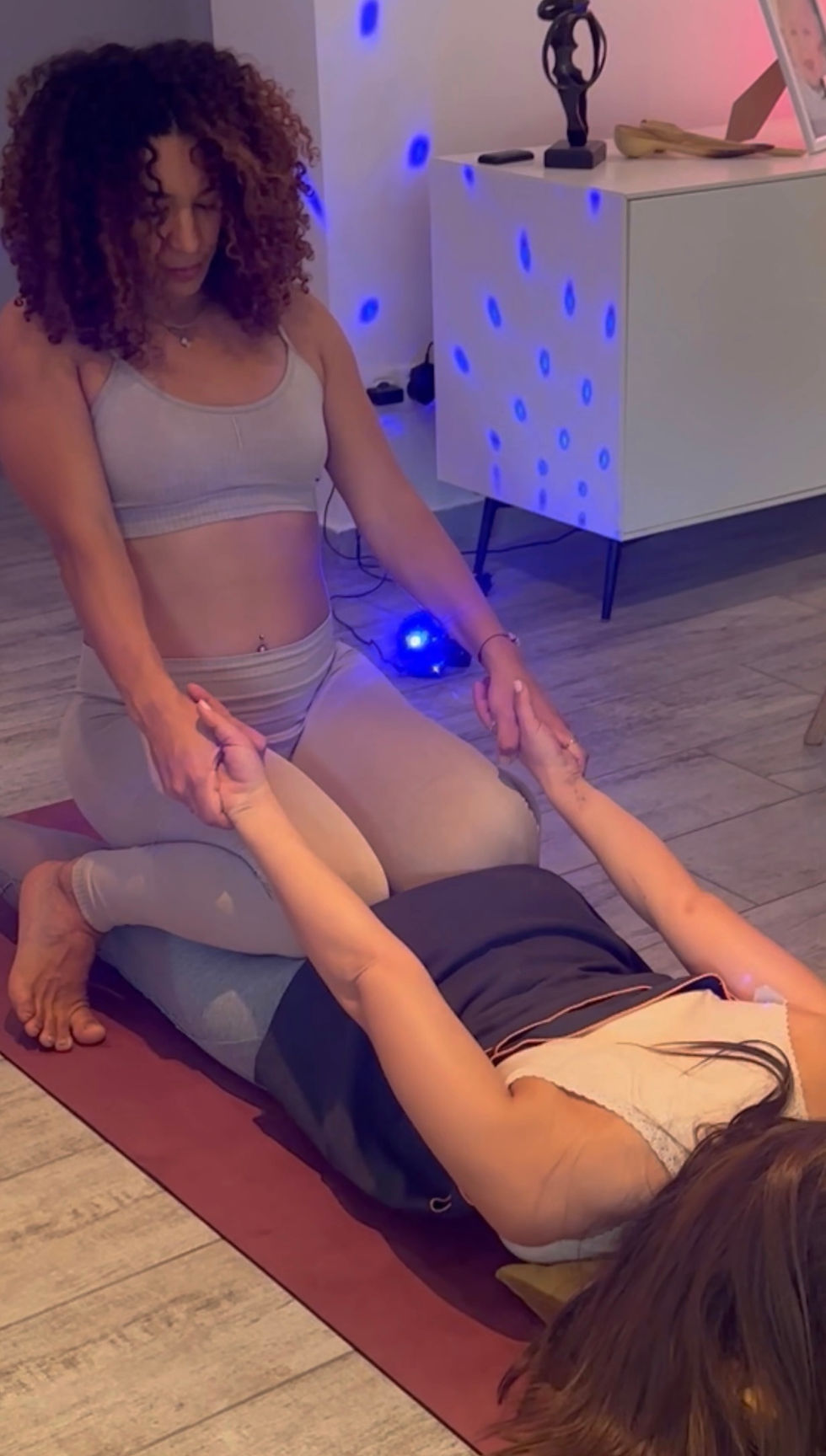
This holistic approach encompasses a variety of techniques, from traditional yoga postures to assisted joint manipulation, Thai massage, and tantric breathing. Each element is carefully selected to create a comprehensive well-being experience.
Yoga postures strengthen the body and improve flexibility, while assisted joint manipulation releases blockages and restores mobility. Thai massage helps release muscle tension, and tantric breathing promotes deep relaxation and self-connection.
Additionally, Flow Therapy focuses on releasing deep muscle tension and fascia, promoting smooth energy circulation throughout the body. This approach also includes work on the emotional and energetic levels, allowing practitioners to explore and release energetic blockages for overall well-being.
This method is suitable for anyone seeking to relieve physical tension, reduce stress, and regain innate homeostasis and relaxation. It offers a moment of connection and body awareness, allowing for a deep bodily experience, energy circulation (prana, Qi), postural adjustments, and energetic exchanges.

Flow Therapy is an invitation to explore the connection between body, mind, and soul, with the ultimate goal of restoring balance and vitality.
You have a question? You'll find an answer here:
What is Flow Therapy and what does it entail? Flow Therapy is a holistic approach created by Nesrine Bourouina, combining several practices within a 90-minute private session. This method integrates pranayama, tantric breathing, personalized yoga postures, assisted stretching, joint manipulation, Thai massage, guided relaxation, and acupressure. The main goal of Flow Therapy is to relieve muscle and fascia tension, deepen breathing, increase flexibility and mobility, as well as manage and reduce stress and anxiety. Additionally, it specifically aims to relieve back pain and tension accumulated in the trapezius due to poor alignment and daily tensions. This method includes 9 practices: What level of yoga is required to practice Flow Therapy? No specific level of yoga is required to practice Flow Therapy. Sessions are tailored to each individual, regardless of their experience in yoga. How can Flow Therapy help relieve muscle tension? Flow Therapy offers several techniques to relieve muscle tension. Firstly, adapted yoga postures and assisted stretching help release tense muscles by promoting flexibility and relaxation. Secondly, joint manipulation helps to unlock joints and release accumulated tension, contributing to reducing muscle pain. Additionally, Thai massage and acupressure target specific tension points in the body, allowing for the release of muscle knots and promoting better blood circulation. Lastly, guided relaxation helps deeply relax muscles and the nervous system, helping to release mental and emotional tensions that may contribute to muscle tension. By combining these different practices, Flow Therapy offers a comprehensive approach to effectively relieve muscle tension and promote overall well-being. Are there any benefits of Flow Therapy for respiratory problems? Flow Therapy includes conscious breathing exercises that can improve respiratory capacity and help manage respiratory problems such as asthma or allergies. Is Flow Therapy suitable for people with heart problems? Yes, Flow Therapy can be adapted to meet the needs of people with heart problems, taking into account individual limitations and focusing on safety and well-being. How can Flow Therapy help people with scoliosis? Flow Therapy can help strengthen the back muscles, improve posture, and reduce imbalances caused by scoliosis, thereby relieving discomfort and improving quality of life. Is it safe to practice Flow Therapy with a herniated disc? Yes, Flow Therapy can be practiced with a herniated disc, but it is important to work with a qualified instructor to adapt sessions and avoid movements that could exacerbate the condition. Is Flow Therapy suitable for pregnant women? Yes, Flow Therapy can be adapted to meet the needs of pregnant women, offering safe and beneficial sessions to promote maternal well-being and baby development. What are the benefits of Flow Therapy for pregnant women? Flow Therapy can help relieve back pain, improve circulation, promote relaxation, and prepare the body for childbirth, offering valuable support throughout pregnancy. Can Flow Therapy help manage stress and anxiety? Yes, Flow Therapy incorporates relaxation and breathing techniques that can help reduce stress and anxiety, promoting a state of calm and mental well-being. Is Flow Therapy suitable for the elderly? Yes, Flow Therapy can be adapted for the elderly. The practices included in this method, such as adapted yoga postures, assisted stretching, and joint manipulation, are often modified to meet the specific needs of the elderly, taking into account their level of mobility and physical condition. Additionally, guided relaxation can be particularly beneficial in helping to relieve stress and accumulated tensions related to aging. However, it is essential for elderly individuals to inform their instructor of any health issues or conditions, especially in cases of fragile bones or pre-existing medical conditions. This allows the instructor to adapt exercises and practices accordingly, to ensure the safety and well-being of the student throughout the session. By taking these precautions and working closely with an experienced instructor, elderly individuals can fully benefit from the advantages of Flow Therapy to maintain their health and overall well-being. How can Flow Therapy improve posture and mobility? Flow Therapy uses specific exercises to strengthen postural muscles, correct imbalances, and improve joint mobility, thereby contributing to better posture and greater range of motion. What is the difference between Flow Therapy and other forms of yoga? Flow Therapy stands out for its individualized approach, use of assists, and focus on healing and well-being, rather than performance or aesthetics of postures. How many sessions of Flow Therapy are needed to feel benefits? The number of sessions needed varies from person to person, but many practitioners feel benefits from the first sessions, with significant improvements over time and regular practice.
Pranayama: Pranayama is a breathing control practice in yoga, aiming to regulate breath to balance the body's energies.
Tantric Breathing: Tantric breathing is a breathing technique that aims to awaken and channel vital energy through the body, promoting relaxation and expansion of consciousness.
Adapted Yoga Postures: These yoga postures are customized based on the individual needs of each practitioner, aiming to strengthen, stretch, and balance the body.
Alignment and Postural Adjustment: This practice focuses on correcting postural imbalances and correct alignment of the body to prevent injuries and promote optimal posture.
Assisted and Deep Stretching: Assisted stretches are gentle, controlled movements performed with the assistance of a practitioner to stretch muscles deeply and improve flexibility.
Joint Manipulation: This practice involves gently manipulating joints to improve their mobility, reduce tension, and promote better circulation.
Acupressure: Acupressure is a technique that involves applying pressure to specific points on the body to relieve pain, reduce stress, and promote relaxation.
Thai Massage: Thai massage is a traditional massage form that combines stretching and pressure along the body's energy lines, promoting relaxation and healing.
Guided Relaxation: This practice involves a series of mental and physical relaxation exercises, often accompanied by visualizations, aiming to induce a deep state of relaxation and inner calm.

To benefit from the advantages of Flow Therapy, we invite you to book a private session, which can take place at home or in a center where the practitioner operates. To make reservations, please contact Flowy Yoga.
Now, here's some information about preparation before a Flow Therapy session:
Before a Flow Therapy session, it is recommended to take a shower without using cream, lotion, or strong perfume. Do not eat within two hours before the session. Make sure the space where you will practice is well-ventilated and calm, without noise or disturbance. Wear comfortable, loose-fitting clothing, without socks, and preferably made of cotton. Remove accessories and jewelry. During the session, follow the teacher's instructions and express your needs, especially in case of pathology, illness, or injury.
As for what to expect during a Flow Therapy session:
During a Flow Therapy session, you can expect guided relaxation. Emotional reactions may vary and include laughter, sadness, fatigue, euphoria, or sensual sensations. It is important to stay focused on breathing, welcome these sensations without judgment, and remain in a state of openness and receptivity. Additionally, it is possible to experience a release of gas during the session, which is perfectly normal.
In conclusion, Flow Therapy offers a path to physical, mental, and emotional well-being. Through a holistic and personalized approach, this method allows for the release of accumulated tensions, deepening of breathing, and cultivation of deep relaxation. Whether you are seeking relief from physical pain, stress management, or simply a moment of connection with yourself, Flow Therapy accompanies you on the journey to balance and vitality. Book your private session now and let yourself be guided towards optimal health and well-being.
Here's a glimpse of a Flow Therapy session:


Comments